Last reviewed November 12, 2026 by Vancouver Picks Editorial Team
Step 1: Find the leaks
- Feel for drafts around the frame, sash and sill on a cold, windy day.
- Use a candle or incense stick (carefully) and watch for the smoke wavering.
- Look for daylight around closed sashes.
- Check outside for cracked or missing caulking where the frame meets siding.
Step 2: Weatherstrip moving parts
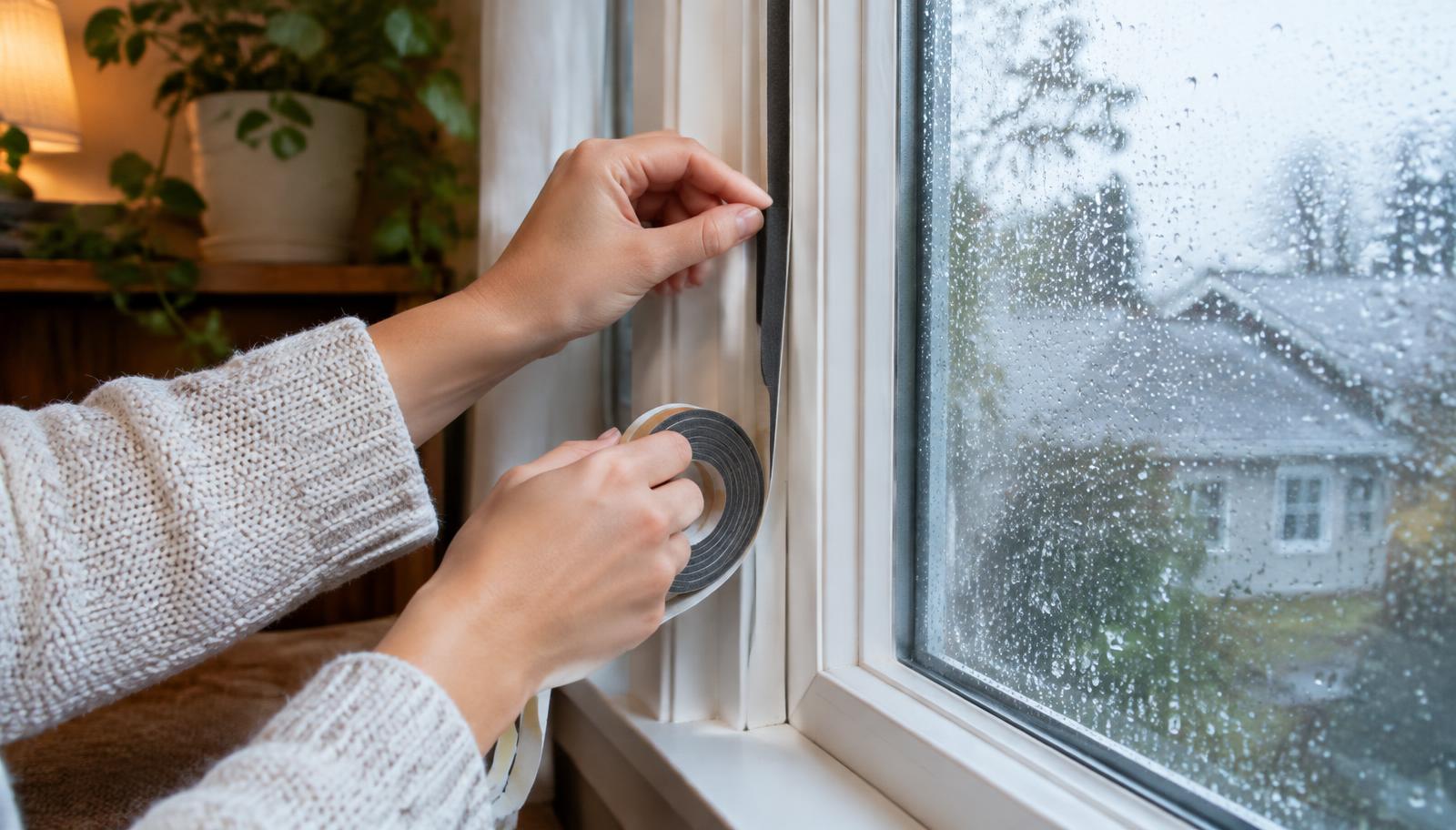
Weatherstripping seals the gaps between parts that move (the sash and frame).
- Clean and dry the surface.
- Choose the right type: adhesive foam tape for irregular gaps, V-strip (tension seal) for sliding sashes, rubber or silicone tubular for larger gaps.
- Measure, cut and press firmly, following the product instructions.
- Test that the window still closes and locks easily.
Step 3: Caulk fixed gaps
Caulk seals gaps between parts that don't move: around the interior trim and exterior frame.
- Remove old, cracked caulk with a scraper.
- Clean and dry the joint. Outdoors, pick a dry day; that can take planning in a Vancouver fall.
- Apply a continuous bead of exterior-rated sealant outside and paintable acrylic or silicone inside.
- Smooth with a wet finger or tool and allow it to cure.
Don't caulk weep holes at the bottom of exterior frames; they let water drain out.
Step 4: Add insulation for winter
- Window insulation film kits: a clear plastic film shrunk tight with a hair dryer adds an insulating air layer. Great for rentals and rarely opened windows.
- Thermal or cellular blinds and heavy curtains: close at night, open during the day to keep glass warmer and reduce condensation.
- Draft snakes along sills for quick relief.
About condensation
Sealing drafts makes homes tighter, which can raise indoor humidity. If windows fog more after sealing, improve ventilation and humidity control (see our guide on reducing humidity). Condensation between double-pane glass means the seal has failed; the glass unit needs replacing, not caulking.
When to consider replacement
Rotting frames, failed seals on many units, single-pane glass or windows that won't open and close properly may justify replacement. Check BC Hydro, FortisBC and CleanBC for any current efficiency rebate programs before you buy; programs and eligibility change.
Request quotes from local window and door companies using the form on this page.
Frequently asked questions
What is the cheapest way to seal drafty windows?
Adhesive foam weatherstripping and indoor caulking are inexpensive and effective. Insulating film kits are another low-cost option.
Should I caulk the outside or inside of windows?
Both can help. Exterior caulking keeps water out; interior caulking stops drafts. Never block exterior weep holes.
Why is there fog between my window panes?
The sealed glass unit has failed. It needs to be replaced; caulking will not fix it.
Looking for window and door companies?
See window and door companies across Metro Vancouver →