Last reviewed November 12, 2026 by Vancouver Picks Editorial Team
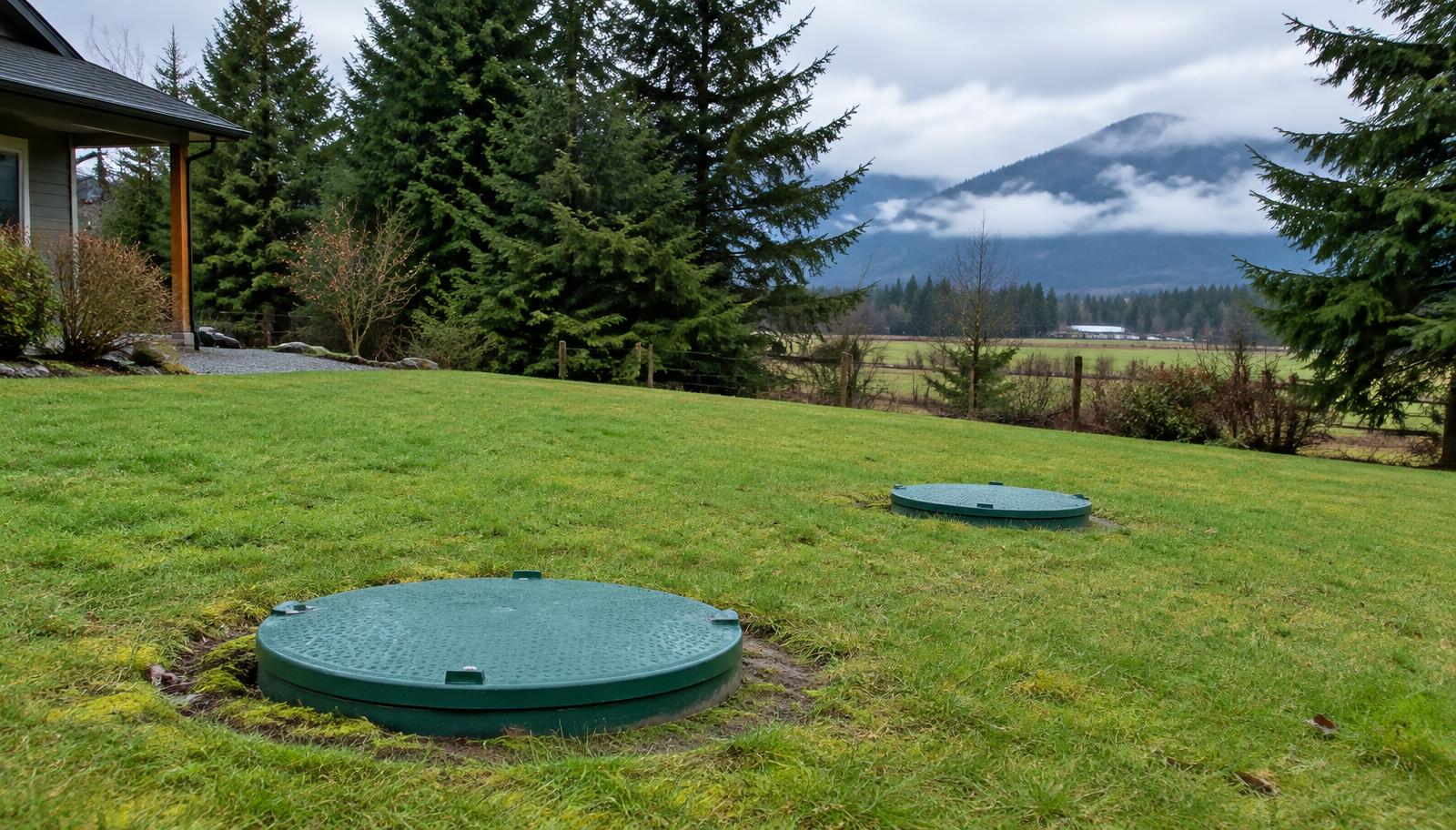
The short answer
According to HealthLink BC, the sludge and scum in a septic tank usually need to be pumped every 2 to 5 years (HealthLink BC). Regional district guides in BC suggest having most systems inspected every 3 to 5 years, and more often if you use a garburator or have a treatment plant.
Your exact interval depends on your system, so check the maintenance plan your installer filed for the property.
What changes the interval
- Household size: more people means more solids.
- Tank size: smaller tanks fill faster.
- Garburator use: food waste adds a lot of solids. Inspect more often.
- System type: systems with treatment plants (Type 2 and 3) typically need more frequent servicing.
- Water habits: heavy water use can push solids into the drainfield.
Warning signs your tank may be full
- Slow drains or gurgling plumbing throughout the house
- Sewage odours near the tank or drainfield
- Unusually green, soggy grass over the drainfield
- Wastewater backing up into the lowest drains
- Standing water in the yard with no recent rain
Stop using water as much as possible and call a septic professional if you notice these.
How BC regulates septic systems
Under BC's Sewerage System Regulation, onsite systems must be designed and built by an authorized practitioner, and the paperwork is filed with your regional health authority. For maintenance, look for a Registered Onsite Wastewater Practitioner (ROWP); ASTTBC keeps a public directory of registrants.
Septic-friendly habits
- Spread out laundry loads over the week
- Fix leaky toilets and taps promptly
- Never flush wipes (even "flushable"), grease, paint, medications or chemicals
- Keep vehicles and structures off the tank and drainfield
- Plant only grass over the drainfield; tree roots can damage pipes
- Avoid septic "additives" unless your service provider recommends them
Keep records
Write down every pump-out and inspection date, with the contractor's notes. It helps plan the next service and is useful if you sell the home.
Request quotes from local septic and plumbing pros using the form on this page.
Frequently asked questions
How often should a septic tank be pumped in BC?
HealthLink BC says usually every 2 to 5 years, depending on tank size, household size and system type.
Who can service a septic system in BC?
Look for a Registered Onsite Wastewater Practitioner (ROWP). ASTTBC maintains a public registrant directory.
Do septic additives help?
Most systems work without them. Ask your service provider before using any additive.
Looking for plumbers?
See plumbers across Metro Vancouver →Related
How to Choose a Reliable Plumber in Vancouver
A practical checklist for finding a plumber in Vancouver you can trust — from licensing and insurance to quotes, warranties and red flags.
Updated November 12, 2026GuideHow to Flush a Hot Water Tank: Step-by-Step Guide
Sediment settles at the bottom of every hot water tank over time. Flushing it out once a year is a straightforward job that can reduce noise and help the tank run efficiently.
Updated November 12, 2026